Power Outage Checklist: What to Do Before, During and After
A printable power outage checklist: what to buy now, the first hour, fridge and freezer rules, generator safety, and what to do if it lasts 3+ days.
BLUF Bottom line up front
Keep the fridge and freezer doors shut, switch to flashlights instead of candles, unplug sensitive electronics, report the outage to your utility, and check on neighbors. Run generators only outdoors, more than 20 feet from windows, doors and vents. Toss perishable food that sat above 40°F for 2+ hours.
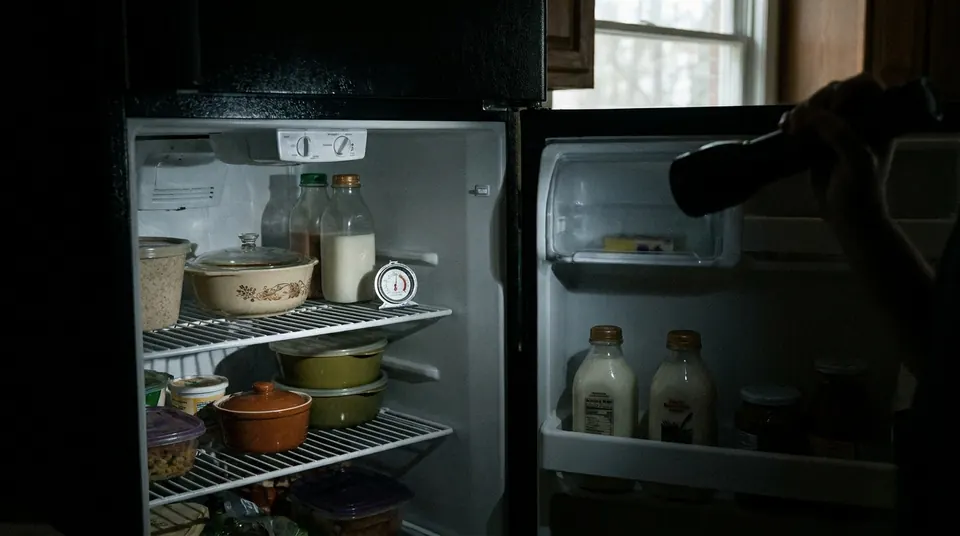
- A closed fridge keeps food safe about 4 hours. A full freezer holds about 48 hours, a half-full one about 24.
- Use flashlights, not candles. Never run a generator, grill or camp stove indoors.
- Put battery-backup carbon monoxide detectors in the house before you need them.
- On a well? No power usually means no water. Store it ahead of time.
- If you use power-dependent medical devices, plan backup power and refrigeration now.
The lights go out. You do not want to be reading about what to do next with a phone at 12 percent. So print this power outage checklist, tape it inside a cabinet, and do the “before” section on a calm weekend.
If you are in an outage right now, skip to the first hour. Everything else can wait.
The list is built on Ready.gov’s power outage guidance, CDC safety advice and USDA food safety numbers. Where something is our own rule of thumb, it says so.
The first hour
Do these in order.
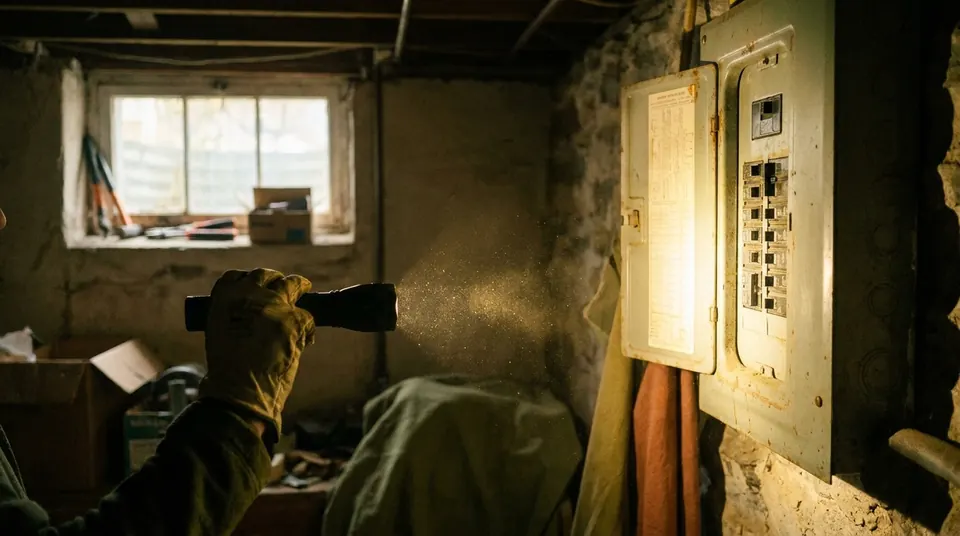
- Check whether it is just you. Look at the neighbors’ windows and the street. Check your breaker panel. If only your house is dark, it may be a tripped breaker.
- Report it. Call or text your utility. Report downed lines to the utility or 911, and stay well away from them. (Rule of thumb, not from the sources below.)
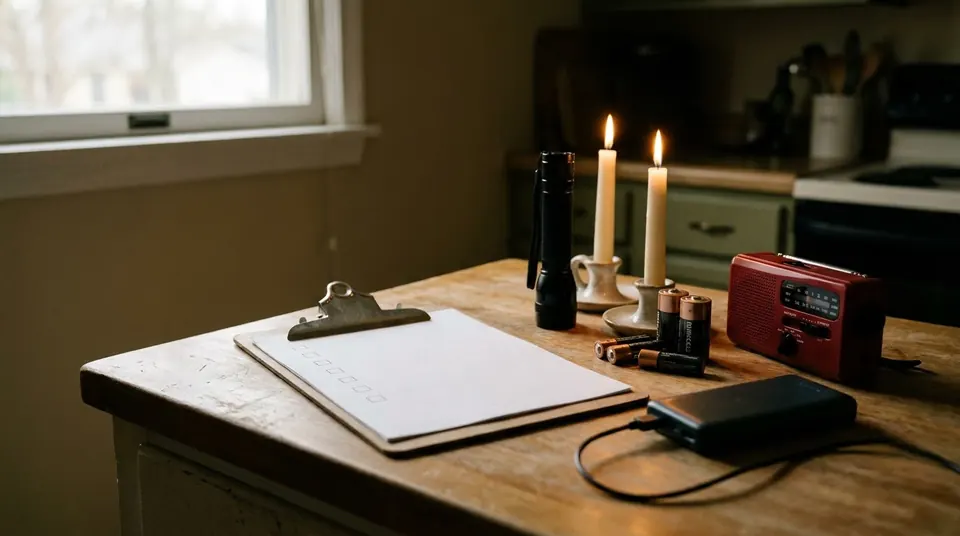
- Grab flashlights. CDC advises battery flashlights or lanterns instead of candles. If you do use a candle, never leave it lit unattended.
- Shut the fridge and freezer. Leave them shut. More below.
- Unplug sensitive electronics. Ready.gov says to turn off or disconnect appliances, equipment and electronics, because power can return with surges that damage them. Leave one lamp switched on so you know when power returns.
- Charge your phone from the car or a power bank. Lower screen brightness. Save battery for updates.
- Check on neighbors, especially older people or anyone on medical equipment.
Power outage checklist: before it happens
Do this once a year. Autumn is a good time.
Light and communication
- A flashlight for each person (Ready.gov recommends this)
- Extra batteries in the sizes you use
- Battery lanterns, so you never need candles
- Power banks, charged. Plan for backup charging of phones
- A battery or hand-crank weather radio
- Paper list of key phone numbers: utility, family, doctor
Food and water
- Nonperishable food and water. See how much water to store for the numbers
- Manual can opener (and a plan to cook without power)
- Cooler and a way to get ice, if you need to hold medicine or food
- An appliance thermometer in the fridge and one in the freezer, as Ready.gov suggests monitoring temperatures
- Not on city water? Extra water for flushing and drinking, since well pumps run on electricity
Heat and safety
- Battery-backup carbon monoxide detectors, tested. CDC says to place them near every sleeping area and replace them as the manufacturer says or every 5 years
- Working smoke alarms with fresh batteries
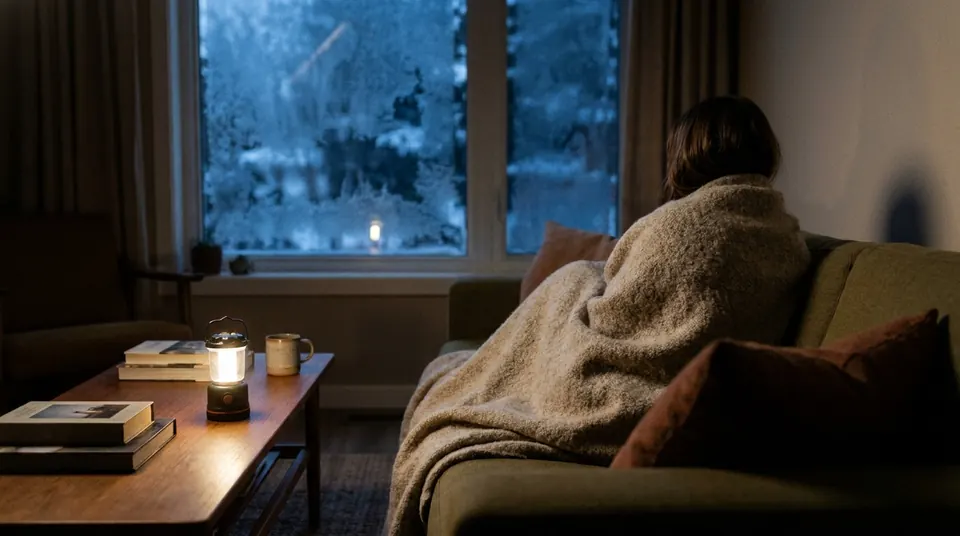
- Warm clothes, wool socks, hats, blankets or sleeping bags. See how to stay warm without power
- A fire extinguisher you know how to use
- A full tank of gas in the car if a storm is forecast (rule of thumb: stations close without power)
- Cash in small bills. Ready.gov notes outages can close ATMs, banks and gas stations
People who need power
- Medical devices: ask your provider for a plan for powered devices and refrigerated medicines (Ready.gov)
- Pet food, water, medications
- A packed 72-hour emergency kit in one known spot
- If you live in hurricane country, the hurricane preparedness checklist done before the season
- A plan for where you would go if the house gets too cold or too hot
Winter storm preparedness checklist additions
- Several days of supplies, per Ready.gov’s winter weather page
- Insulation, caulk and weather-stripping in place before cold arrives
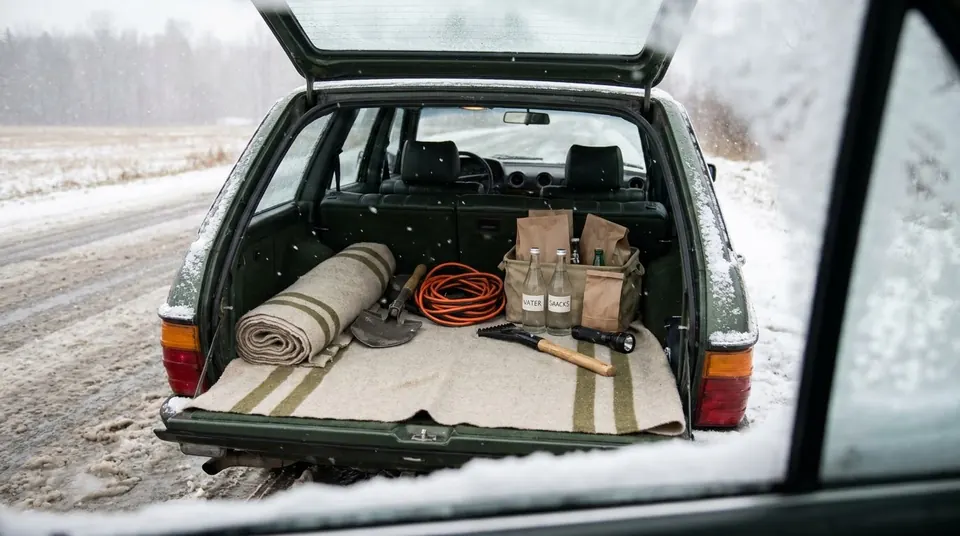
- A winter car emergency kit in each vehicle
- Know how to keep pipes from freezing (see below)
What to do during a power outage
Fridge and freezer rules
The numbers to remember:
| Appliance | Safe if doors stay closed |
|---|---|
| Refrigerator | About 4 hours |
| Full freezer | About 48 hours |
| Half-full freezer | About 24 hours |
Ready.gov confirms the 4-hour and about-two-day figures. The half-full figure comes from FoodSafety.gov guidance as repeated by university extension services.
Every time you open the door, you lose cold. Decide what you need and grab it once.
After the outage, Ready.gov says to throw out food that was exposed to 40°F (4°C) or higher for two hours or more, and anything with an unusual odor, color or texture. A thermometer is how you know. For the full keep-or-toss breakdown, read how long food lasts in the fridge without power.
Staying warm (or cool)
Pick one small room and live in it. Close the others. Layer up. CDC advice includes closing off unused rooms, blocking door drafts and closing curtains at night. In extreme heat or cold, Ready.gov says to go to a community location that has power. For summer outages, see how to stay cool without power.
Generator safety
Safety: CDC: “Only use generators outside, more than 20 feet away from any windows, doors, and vents.” Never use a generator inside your home or garage, even if doors and windows are open. Use a battery-powered or battery backup CO detector when running a generator.
Also from Ready.gov and CDC:
- Keep generators dry and do not use the generator or appliances if they are wet.
- Let a generator cool before refueling.
- Do not store gasoline indoors where the fumes could ignite.
- Never heat your house with a gas stovetop or oven. Never burn charcoal indoors. Never use a portable gas camp stove indoors.
For placement, cords, rain and hookups, see our full guide to generator safety during a power outage.
If you want to plan a real backup, see off-grid power options.
Frozen pipes
CDC advice: keep faucets running slightly, and let warm air reach the pipes under sinks. If pipes freeze, never use a torch. Thaw slowly with an electric hair dryer. For the full steps, see how to keep pipes from freezing without power.
Water if you are on a well
An electric well pump stops when the power does. Use your stored water first. Do not drink water you doubt. (Rule of thumb.)
Medical devices
Note: If anyone uses oxygen, a CPAP or other powered medical equipment, plan before the outage. Ready.gov says to have alternate plans for refrigerating medicines and powering devices. Many utilities keep a medical-priority list and ask for a doctor’s certification, but enrollment rules vary by state and a spot on the list does not guarantee faster restoration. Call your utility to ask. Keep a battery backup and a plan to go to a hospital or a friend’s home. If anyone’s life depends on power, do not rely on a list.
Check on people
CDC advises checking on older friends and neighbors often to make sure their homes are heated properly. For a full plan for older adults and powered devices, see these power outage tips for seniors.
If it lasts 3 days or more
At this point you are managing resources.
- Eat from the fridge first, then the freezer, then pantry.
- Use cooler ice for medicine only, if needed.
- Ration phone battery. Text instead of calling.
- Decide on a “leave” trigger: indoor temperature, a sick family member, or no water.
- Check CO detector batteries.
- Visit neighbors, share food that will spoil.
- If you leave, shut off water at the main valve and drain pipes if freezing is a risk (rule of thumb; ask your plumber).
After the power comes back
- Wait a few minutes before plugging things back in, then do it one at a time. (Rule of thumb, following Ready.gov’s surge warning.)
- Check the fridge and freezer thermometer. Toss food above 40°F for 2+ hours.
- Check medicine. Ready.gov says if the outage lasted more than a day, throw out refrigerated medication unless the label says otherwise, and ask your doctor or pharmacist for a new supply.
- Reset clocks, thermostats and smoke alarms.
- Restock what you used: batteries, water, food.
- Write down what went wrong. Fix one thing this week.
Frequently asked questions
What should I do first when the power goes out?
Check whether neighbors are affected and look at your breaker panel. Report the outage to your utility. Keep the fridge and freezer closed, use flashlights instead of candles, and unplug sensitive electronics so a surge does not damage them when power returns. Charge phones from a power bank or the car.
How long does food last in a fridge without power?
About 4 hours if the door stays closed. A full freezer keeps food safe about 48 hours, and a half-full one about 24 hours. After the outage, Ready.gov says to throw out food that was exposed to temperatures of 40°F or higher for two hours or more.
What supplies do I need for a power outage?
A flashlight per person, batteries, power banks, a weather radio, nonperishable food and water, a manual can opener, an appliance thermometer, warm clothing and blankets, battery-backup CO detectors, cash, and medication plans. Ready.gov suggests several days of supplies for winter storms.
Is it safe to run a generator in the garage?
No. CDC says never to use a generator inside your home or garage, even if doors and windows are open. Run it outdoors, more than 20 feet from windows, doors and vents, and use a battery-powered CO detector inside.
Should I use candles during an outage?
Avoid them. CDC recommends battery flashlights or lanterns, because candles can start fires. If you must use one, never leave it lit and unattended.
Sources
This guide is general information, not professional, medical or legal advice. Follow instructions from local officials during an emergency. Full disclaimer.